
Physiotherapy for BPPV in Older Adults: Challenges & Solutions
Positional vertigo becomes more common — and more dangerous — with age. Here's how physiotherapy safely treats BPPV in older adults, even with mobility limitations.
Santosh Singh
Registered Physiotherapist / Director
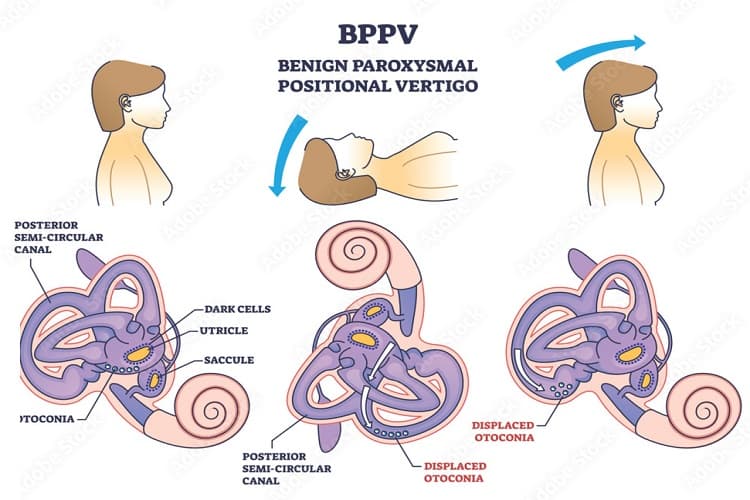
Benign paroxysmal positional vertigo — BPPV — is the most common cause of vertigo at every age, but its prevalence climbs steeply in later decades. For older adults, those brief spinning episodes carry a heavier cost: each one is a fall risk, and falls change lives.
Why BPPV is different after 65
The condition itself is the same — loose calcium crystals in the inner ear's canals sending false motion signals when the head changes position. What changes with age:
- Higher recurrence — crystals dislodge more easily as the inner ear ages
- Vaguer symptoms — older adults more often report "unsteadiness" or "lightheadedness" rather than clear spinning, so BPPV gets missed
- Greater consequences — a moment of vertigo on the stairs or in the shower can mean a fracture
- Compounding factors — reduced vision, slower reflexes, and medication effects stack on top of the vertigo
The result: BPPV in older adults is underdiagnosed, undertreated, and far more dangerous than its "benign" name suggests.
How physiotherapy adapts treatment
The gold-standard treatment — canalith repositioning maneuvers like the Epley — works just as well in older adults. The skill lies in adapting it:
- Modified positioning for stiff necks, fused spines, or limited mobility, using tilt tables or adjusted angles when needed
- Slower pacing with longer rests between positions to manage blood-pressure changes and anxiety
- Thorough screening first — ruling out other causes of dizziness, checking neck safety, and reviewing medications
- Balance retraining afterward — because weeks or months of avoiding movement leaves the balance system deconditioned even after the crystals are repositioned
The bigger win: falls prevention
Treating the BPPV is step one. Step two is rebuilding confidence and steadiness: gaze-stabilization exercises, progressive balance work, and strength training. This combination measurably reduces fall risk — arguably the most valuable outcome of all.
If you or a parent has unexplained dizziness, unsteadiness, or "wooziness" when rolling in bed or looking up, get it assessed. BPPV is one of the most fixable causes — usually within a few visits. Call 587-355-3555 to book at our NW Calgary clinic.
Dealing with pain or an injury?
Our multidisciplinary team is here 7 days a week in Nolan Hill, NW Calgary — with direct billing to most insurers.
Call 587-355-3555Related Articles
More recovery insights from the Nolan Hill team

Vertigo Management: A Comprehensive Approach
Not all vertigo is BPPV, and not all dizziness is vertigo. A comprehensive framework for diagnosing and managing the spinning, swaying, and unsteady.
Santosh Singh
Registered Physiotherapist / Director

A Guide to Vestibular Rehabilitation: Regain Balance and Confidence
When your balance system misfires, the world stops feeling trustworthy. How vestibular rehab retrains the brain to steady itself — step by step.
Santosh Singh
Registered Physiotherapist / Director
Home Exercises in Treating BPPV: What Helps and What to Avoid
Can you treat positional vertigo at home? Sometimes — but only after a proper diagnosis. Here's the honest guide to home exercises for BPPV.
Santosh Singh
Registered Physiotherapist / Director