
A Guide to Vestibular Rehabilitation: Regain Balance and Confidence
When your balance system misfires, the world stops feeling trustworthy. How vestibular rehab retrains the brain to steady itself — step by step.
Santosh Singh
Registered Physiotherapist / Director
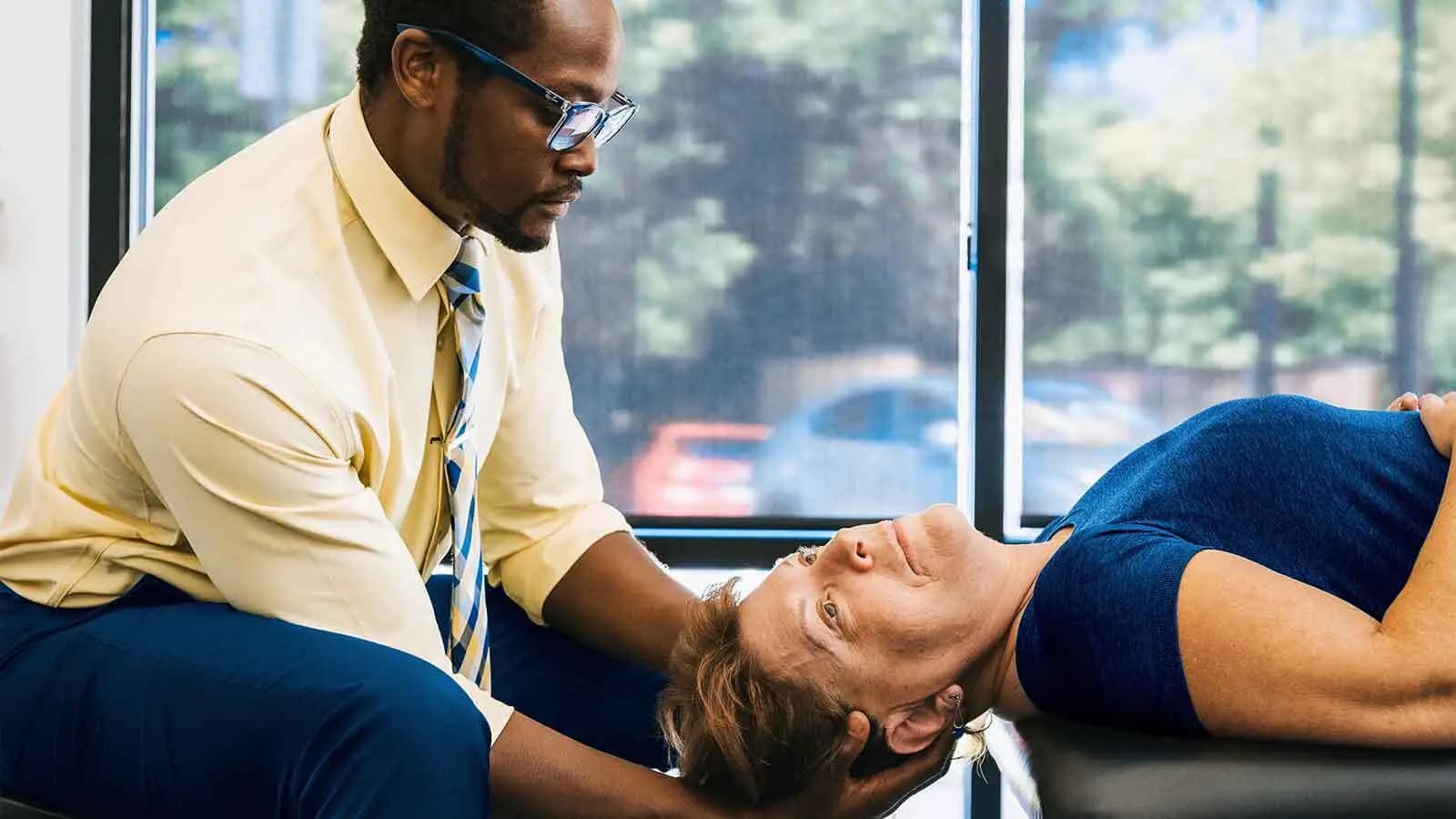
Your balance runs on three information streams: the inner ear (vestibular system), vision, and the position sensors throughout your body. When the vestibular stream degrades — after an inner-ear infection, a concussion, or simply with age — the result is dizziness, unsteadiness, and a creeping loss of confidence in your own footing.
Vestibular rehabilitation exists because of one remarkable fact: the brain can recalibrate. Given the right, graded exposure, it learns to recompute balance from the signals available. That's what the exercises train.
Who vestibular rehab helps
- Recovery after vestibular neuritis or labyrinthitis (the dizzy aftermath of inner-ear infections)
- Persistent post-concussion dizziness and motion sensitivity
- Residual unsteadiness after BPPV treatment
- Age-related balance decline and fall prevention
- PPPD and chronic subjective dizziness, as part of a broader plan
The three exercise families
1. Gaze stabilization. The vestibulo-ocular reflex keeps your vision locked on target while your head moves — it's why the world doesn't smear when you walk. To retrain it: focus on a letter at arm's length and turn your head side to side, keeping the letter crisp. Progressions add speed, busier backgrounds, and standing on softer surfaces.
2. Habituation. For movements that provoke dizziness — rolling over, quick turns, busy visual environments — controlled, repeated exposure teaches the brain to stop overreacting. The dose matters: enough to provoke mild, brief symptoms, never enough to wreck your day.
3. Balance and gait retraining. Progressive challenges — narrowing stance, closing eyes, turning the head while walking, navigating uneven ground — rebuild steady, automatic balance for real-world conditions.
What recovery looks like
Vestibular rehab is honest work: exercises briefly provoke mild symptoms because that provocation is the training signal. Most patients notice meaningful change within 4-6 weeks of consistent practice, with programs reviewed and progressed regularly. The endpoint isn't just less dizziness — it's trusting your footing again: shoulder-checking while driving, grocery aisles, dark hallways, winter sidewalks.
If dizziness or unsteadiness has been shrinking your world, it's treatable. Book a vestibular assessment at 587-355-3555 — Nolan Hill Physiotherapy & Massage, NW Calgary, open 7 days a week.
Dealing with pain or an injury?
Our multidisciplinary team is here 7 days a week in Nolan Hill, NW Calgary — with direct billing to most insurers.
Call 587-355-3555Related Articles
More recovery insights from the Nolan Hill team

Vertigo Management: A Comprehensive Approach
Not all vertigo is BPPV, and not all dizziness is vertigo. A comprehensive framework for diagnosing and managing the spinning, swaying, and unsteady.
Santosh Singh
Registered Physiotherapist / Director
June Wellness Focus: Treating Vertigo, Concussions & Car Accident Injuries
June Wellness Focus: Treating Vertigo, Concussions & Car Accident Injuries
Three conditions, one connected system. Why dizziness, concussion symptoms, and post-collision pain often travel together — and how coordinated rehab untangles them.
Santosh Singh
Registered Physiotherapist / Director
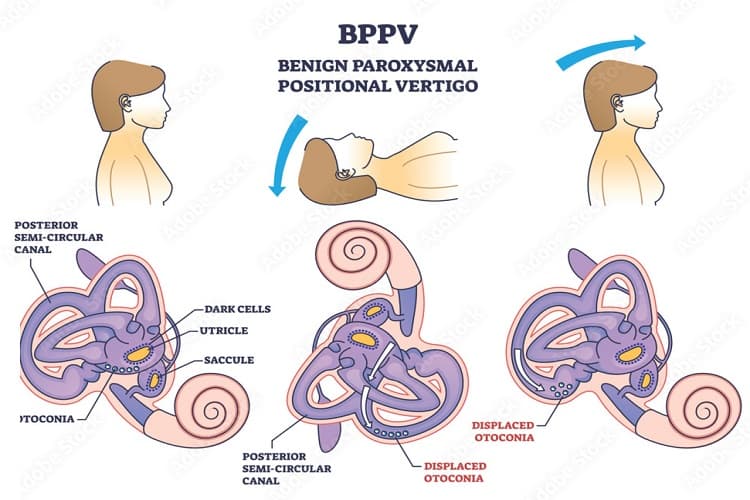
Physiotherapy for BPPV in Older Adults: Challenges & Solutions
Positional vertigo becomes more common — and more dangerous — with age. Here's how physiotherapy safely treats BPPV in older adults, even with mobility limitations.
Santosh Singh
Registered Physiotherapist / Director