
Vertigo Management: A Comprehensive Approach
Not all vertigo is BPPV, and not all dizziness is vertigo. A comprehensive framework for diagnosing and managing the spinning, swaying, and unsteady.
Santosh Singh
Registered Physiotherapist / Director

"Vertigo" gets used as a catch-all, but precision matters enormously here — because different dizziness has completely different fixes. A comprehensive approach starts by sorting the problem correctly.
First, define the sensation
- True vertigo — the world spins or you do; points to the vestibular system
- Lightheadedness — near-faint feeling; often circulatory or medication-related, needs medical review
- Disequilibrium — unsteady on your feet without spinning; balance-system or strength-related
- Brain fog / motion sensitivity — common after concussion or with visual-vestibular mismatch
One patient may have more than one. Each gets its own thread in the plan.
The big causes we assess for
BPPV — brief spinning triggered by position changes (rolling over, looking up). Diagnosed with positional testing, treated with repositioning maneuvers, often resolved in one to three visits. Always checked first because it's so common and so fixable.
Vestibular hypofunction — a weakened inner-ear signal after vestibular neuritis or with aging; causes imbalance and visual blur with head movement. Treated with gaze-stabilization and balance retraining that recalibrate the brain.
Cervicogenic dizziness — unsteadiness driven by upper-neck dysfunction, common after whiplash; responds to manual therapy plus neck retraining.
Vestibular migraine — dizziness episodes with or without headache; managed with trigger work, vestibular rehab, and physician partnership.
Post-concussion dizziness — usually a blend of the above; treated by addressing each contributing system.
We also screen every patient for red flags — sudden severe headache, double vision, slurred speech, limb weakness — that route to urgent medical care instead.
Why "comprehensive" beats "one maneuver"
Plenty of patients arrive having had a single Epley somewhere, with partial results. Comprehensive management means: correct canal diagnosis (the famous maneuver only treats one pattern), treatment of co-existing neck dysfunction, rebuilding the balance confidence lost during weeks of symptoms, and a recurrence plan — because knowing what to do next time removes most of the fear.
Dizziness is among the most treatable problems we see, and among the most life-limiting when ignored. Call 587-355-3555 — vestibular-trained team, 7 days a week, NW Calgary.
Dealing with pain or an injury?
Our multidisciplinary team is here 7 days a week in Nolan Hill, NW Calgary — with direct billing to most insurers.
Call 587-355-3555Related Articles
More recovery insights from the Nolan Hill team
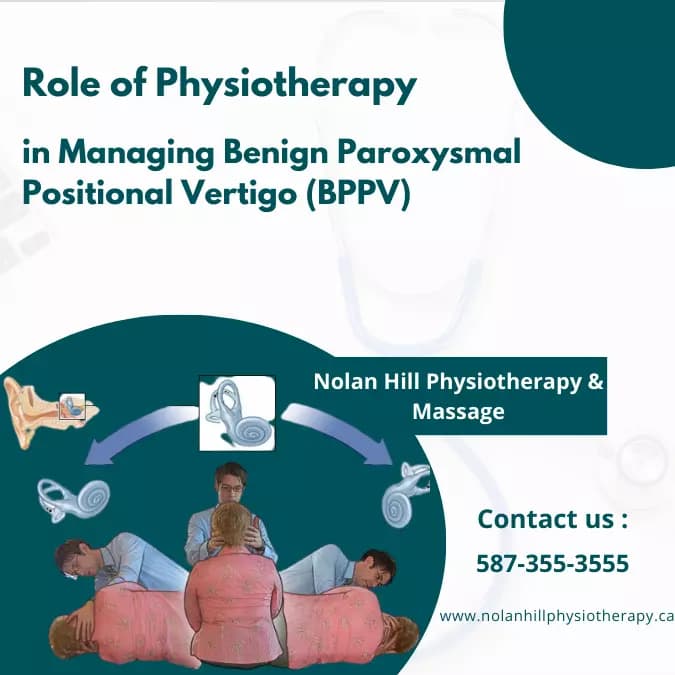
The Role of Physiotherapy in Managing BPPV
Medication can't move crystals. Physiotherapy is the definitive treatment for BPPV — here's why it works, what a visit looks like, and what to expect afterward.
Santosh Singh
Registered Physiotherapist / Director

A Guide to Vestibular Rehabilitation: Regain Balance and Confidence
When your balance system misfires, the world stops feeling trustworthy. How vestibular rehab retrains the brain to steady itself — step by step.
Santosh Singh
Registered Physiotherapist / Director
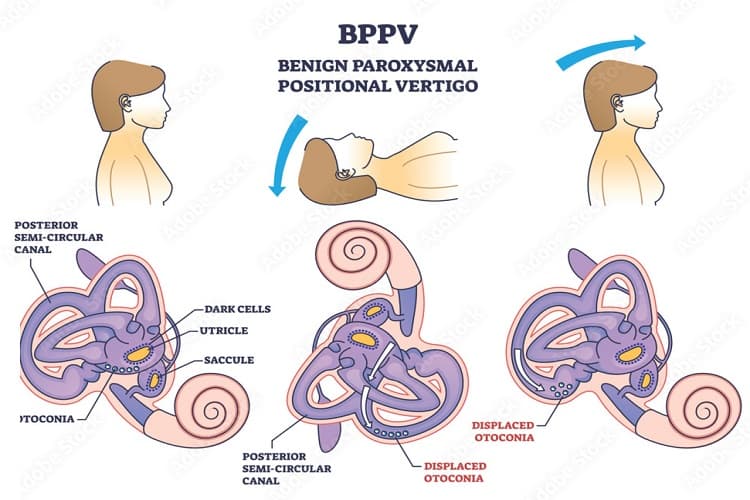
Physiotherapy for BPPV in Older Adults: Challenges & Solutions
Positional vertigo becomes more common — and more dangerous — with age. Here's how physiotherapy safely treats BPPV in older adults, even with mobility limitations.
Santosh Singh
Registered Physiotherapist / Director