
Concussion Recovery: A Step-by-Step Guide
Modern concussion care has a clear sequence — and it isn't weeks in a dark room. The step-by-step path from injury day to full clearance.
Santosh Singh
Registered Physiotherapist / Director
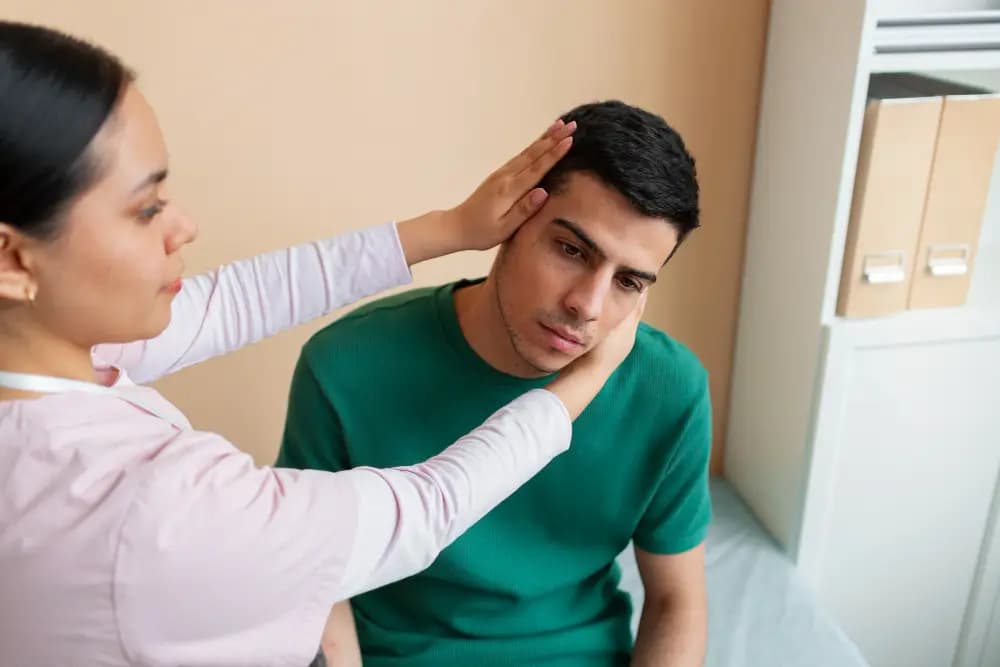
Concussion advice has changed dramatically in the past decade, and the old "dark room until symptom-free" approach is now known to slow recovery. Here's the current, evidence-based sequence we guide patients through.
Step 0: Rule out the serious stuff (day 0)
Worsening headache, repeated vomiting, increasing confusion, seizure, weakness or numbness, or unequal pupils mean emergency department, immediately. Concussion management starts only after serious injury is off the table.
Step 1: Relative rest — briefly (24-48 hours)
Two days of taking it easy: reduced screens, light activity around the house, extra sleep welcomed. What this step is not: total sensory deprivation. Brief, tolerable daily activities — short walks, light conversation, a bit of screen time below symptom threshold — are fine and probably helpful.
Step 2: Early movement (from day 2-3)
This is where modern care departs from old advice. Light aerobic activity — walking, stationary cycling at a conversational pace — started within days, kept below the intensity that flares symptoms, is one of the best-evidenced accelerators of concussion recovery. The rule: activity that provokes no more than mild, brief symptom increase is building recovery, not risking it.
Step 3: Graded return to thinking and working (week 1+)
Cognitive load returns in steps: shorter focused work blocks with breaks, then longer, then full days. Symptoms guide pace. Most people return to modified work or school within days, full duties within a couple of weeks.
Step 4: Targeted rehab for what lingers (week 2-4+)
If symptoms persist past two to four weeks, something specific usually needs treatment rather than time: vestibular rehab for dizziness and motion sensitivity, oculomotor exercises for visual strain, cervical treatment for the whiplash that so often rides along, or graded exertion programs for symptoms that flare with effort. Assessment identifies your profile; treatment targets it.
Step 5: Tested clearance (final)
For athletes, a stepwise return-to-sport progression with 24 hours between stages and no symptom recurrence — finishing with full-contact practice before competition. For everyone, clearance means tested tolerance for the full demands of your life.
Concussions recover well when managed actively. Days or months post-injury, the path is the same: assess, target, progress. Call 587-355-3555 — Nolan Hill Physiotherapy & Massage, NW Calgary.
Dealing with pain or an injury?
Our multidisciplinary team is here 7 days a week in Nolan Hill, NW Calgary — with direct billing to most insurers.
Call 587-355-3555Related Articles
More recovery insights from the Nolan Hill team
June Wellness Focus: Treating Vertigo, Concussions & Car Accident Injuries
June Wellness Focus: Treating Vertigo, Concussions & Car Accident Injuries
Three conditions, one connected system. Why dizziness, concussion symptoms, and post-collision pain often travel together — and how coordinated rehab untangles them.
Santosh Singh
Registered Physiotherapist / Director

Vertigo Management: A Comprehensive Approach
Not all vertigo is BPPV, and not all dizziness is vertigo. A comprehensive framework for diagnosing and managing the spinning, swaying, and unsteady.
Santosh Singh
Registered Physiotherapist / Director

A Guide to Vestibular Rehabilitation: Regain Balance and Confidence
When your balance system misfires, the world stops feeling trustworthy. How vestibular rehab retrains the brain to steady itself — step by step.
Santosh Singh
Registered Physiotherapist / Director