Shockwave Therapy in NW Calgary: Conditions, Results & Candidacy
Which injuries respond best to shockwave, what results the research supports, and how to know if you're a good candidate.
Santosh Singh
Registered Physiotherapist / Director
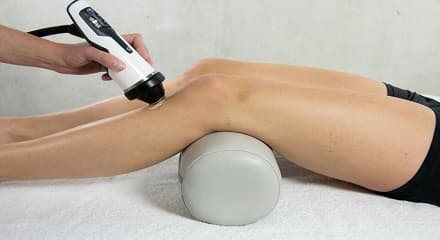
Shockwave therapy earns its place in our clinic for one reason: it reliably helps the injuries that nothing else has budged. Here's an honest look at where it shines, what results to expect, and who should (and shouldn't) book it.
The sweet spot: chronic tendon and fascia problems
Shockwave's acoustic pulses restart a stalled healing response — increasing blood flow, stimulating tissue regeneration, and desensitizing irritated nerve endings. That mechanism matches a specific category of injury: tendinopathy and fascia problems older than three months. The best-supported conditions:
- Plantar fasciitis — the morning heel-stab that outlasts stretching and new shoes
- Tennis and golfer's elbow
- Achilles tendinopathy — mid-portion and insertional
- Calcific rotator cuff tendinopathy — where shockwave can help the body resorb calcium deposits
- Jumper's knee (patellar tendinopathy)
- Greater trochanteric pain syndrome (outer hip)
What results does the evidence support?
Across chronic tendinopathies, studies report success rates in the 70-80% range, with some shoulder conditions responding even better. Two honest caveats: results build gradually — tissue remodels over weeks, often continuing to improve 6-12 weeks after the final session — and shockwave works best paired with progressive loading exercise, never as a standalone zap.
Are you a good candidate?
Strong candidates have: a confirmed tendon/fascia diagnosis, symptoms beyond three months, and a willingness to do the accompanying exercise program. Shockwave is not used over active infections, certain circulation or clotting disorders, during pregnancy, or directly over growth plates — all screened at your assessment. Acute injuries (under ~6 weeks) usually do better with standard rehab first.
The practical details
Plans typically run 3-6 weekly sessions, delivered inside regular physiotherapy visits — which means standard physiotherapy insurance coverage applies, and we direct bill most plans. Sessions involve a few minutes of strong, tolerable tapping over the injury; mild next-day soreness is normal and expected.
If you've got a stubborn tendon that's outlasted rest, orthotics, and good intentions — it's worth an assessment. Call 587-355-3555, Nolan Hill Physiotherapy & Massage, open 7 days a week.
Dealing with pain or an injury?
Our multidisciplinary team is here 7 days a week in Nolan Hill, NW Calgary — with direct billing to most insurers.
Call 587-355-3555Related Articles
More recovery insights from the Nolan Hill team
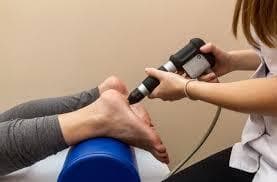
Shockwave Therapy: What to Expect at Your First Session
Booked for shockwave and wondering what you've signed up for? A minute-by-minute walkthrough of your first session — sensation, duration, and aftercare.
Santosh Singh
Registered Physiotherapist / Director

Manual Therapy Techniques for Chronic Pain
When pain has persisted for months or years, hands-on treatment plays a different role — calming a sensitized system while exercise rebuilds trust in movement.
Santosh Singh
Registered Physiotherapist / Director
Physiotherapy Near Me in NW Calgary: Choosing a Clinic
Physiotherapy Near Me in NW Calgary: Choosing a Clinic
Looking for physiotherapy near me in NW Calgary? Learn how to compare clinics, services, and care plans so you can choose the right support for recovery.
Nolan Hill Physio Team
Registered Physiotherapists