
Manual Therapy Techniques for Chronic Pain
When pain has persisted for months or years, hands-on treatment plays a different role — calming a sensitized system while exercise rebuilds trust in movement.
Santosh Singh
Registered Physiotherapist / Director

Chronic pain changes the rules. In the first weeks after an injury, pain maps reasonably well onto tissue damage. Months later, that map blurs: tissue has largely healed, but the nervous system — having practised pain daily — has become an expert at producing it. Effective treatment respects this shift.
What manual therapy does in chronic pain (honestly)
Hands-on treatment in persistent pain isn't "fixing" damaged structures — most are long healed. Its real mechanisms are just as useful:
- Desensitization — skilled, graded touch and movement give an over-protective nervous system safe input, dialling down the alarm
- Restoring movement options — joints and tissue that haven't moved through full range in years respond to mobilization, opening doors exercise can walk through
- Reducing guarding — chronic pain breeds chronic bracing; releasing that muscular vigilance lowers the daily symptom baseline
- Building belief — feeling your back move comfortably under a therapist's hands is evidence against "fragile," and that evidence matters clinically
The techniques we draw on
Joint mobilization — graded oscillatory movements, from gentle to firm, restoring glide and easing stiffness-related pain. Soft tissue and myofascial release — sustained, specific work through chronically guarded muscle groups. Dry needling / IMS — particularly suited to long-standing pain, targeting both tight peripheral bands and the spinal segments that keep them wound up. Nerve mobilization — for symptoms with a neural thread, gentle gliding techniques reduce sensitivity along the pathway.
The essential pairing
Here's the part we're upfront about: in chronic pain, manual therapy alone produces temporary relief on repeat. The durable change comes from what the relief enables — graded activity and strengthening that rebuilds capacity and teaches the nervous system, rep by rep, that movement is safe. Hands-on treatment opens the window; movement climbs through it.
Add the system-level supports — sleep, stress, pacing strategies, and psychology input when pain has tangled with mood or fear (our in-house psychologists work alongside us on exactly this) — and persistent pain becomes genuinely treatable.
If you've been told "you'll just have to live with it" — get a second opinion built on current pain science. Call 587-355-3555, Nolan Hill Physiotherapy & Massage, NW Calgary.
Dealing with pain or an injury?
Our multidisciplinary team is here 7 days a week in Nolan Hill, NW Calgary — with direct billing to most insurers.
Call 587-355-3555Related Articles
More recovery insights from the Nolan Hill team
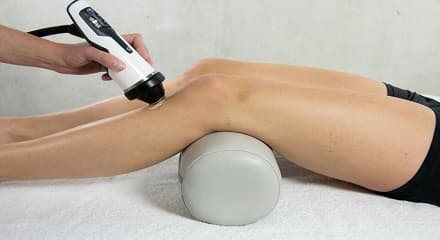
Shockwave Therapy in NW Calgary: Conditions, Results & Candidacy
Which injuries respond best to shockwave, what results the research supports, and how to know if you're a good candidate.
Santosh Singh
Registered Physiotherapist / Director
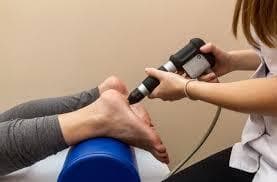
Shockwave Therapy: What to Expect at Your First Session
Booked for shockwave and wondering what you've signed up for? A minute-by-minute walkthrough of your first session — sensation, duration, and aftercare.
Santosh Singh
Registered Physiotherapist / Director
Dry Needling vs. IMS: What's the Difference and Which Is Right for You?
Dry Needling vs. IMS: What's the Difference and Which Is Right for You?
They use the same needles and get confused constantly. Here's the real difference between dry needling and IMS — and how we choose between them.
Garima Singh
Registered Physiotherapist / Manager