
The Benefits of Physiotherapy for TMJ Disorders
Before considering splints alone or surgery, most jaw pain deserves a trial of physiotherapy. Here's what TMJ physio actually does — and the results patients can expect.
Santosh Singh
Registered Physiotherapist / Director
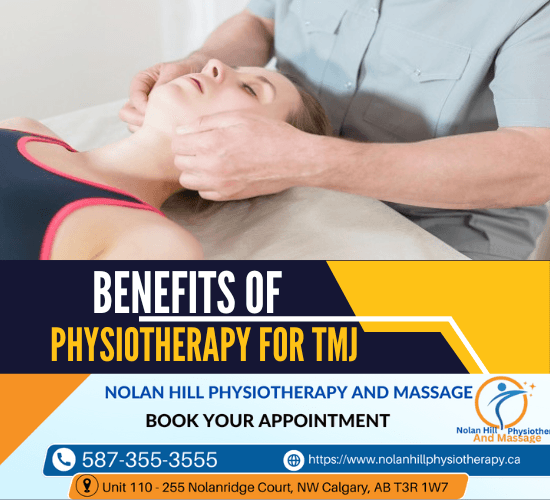
When jaw pain strikes, most people think of their dentist first — and dentists play an important role. But the TMJ is a joint, surrounded by muscles, governed by movement patterns. That makes it physiotherapy territory, and the research agrees: conservative, movement-based care is first-line treatment for most TMJ disorders.
What physiotherapy does for the TMJ
Reduces pain quickly. Hands-on treatment of the jaw muscles — including gentle intra-oral techniques that reach the muscles inside the mouth — releases the trigger points and guarding that drive most TMJ pain. Patients are often surprised how much relief comes from the first one or two sessions.
Restores normal opening. Joint mobilization improves the glide of the joint and its disc, which restores opening range and reduces clicking and catching.
Fixes the underlying mechanics. Retraining how the jaw opens — straight, controlled, without deviation — addresses the coordination problem that keeps the joint irritated. Simple, precise exercises make the change stick.
Treats the neck as part of the system. Upper-neck stiffness and forward-head posture feed directly into jaw dysfunction. Treating both together produces better and longer-lasting results than treating the jaw alone.
Breaks the habit cycle. Clenching awareness, tongue posture, and load-management strategies (the "lips together, teeth apart" rule, cutting hard or chewy foods temporarily) stop the constant re-irritation that undermines recovery.
What results can you expect?
Most patients with muscle-dominant TMD notice meaningful improvement within 3-6 sessions. Disc and joint-dominant problems take longer but still respond well to conservative care. Physiotherapy also pairs beautifully with dental splint therapy — the splint protects at night while physio fixes the daytime mechanics.
When to book an assessment
If you have jaw pain with chewing, clicking with pain, limited or deviating opening, morning jaw stiffness, or headaches that start at the temples, an assessment will identify whether your TMJ is the driver.
Nolan Hill Physiotherapy & Massage offers specialized TMJ rehabilitation in NW Calgary, 7 days a week, with direct billing to most insurers. Call 587-355-3555 to get started.
Dealing with pain or an injury?
Our multidisciplinary team is here 7 days a week in Nolan Hill, NW Calgary — with direct billing to most insurers.
Call 587-355-3555Related Articles
More recovery insights from the Nolan Hill team
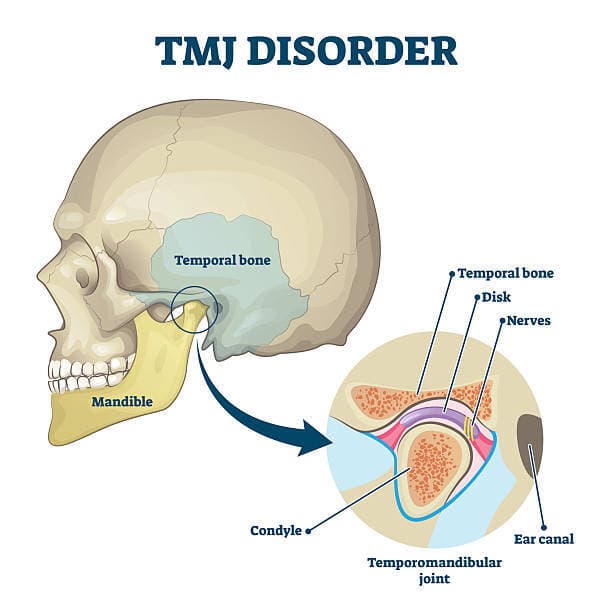
TMJ Treatment: Beyond Basic Jaw Exercises
If jaw stretches from the internet haven't fixed your TMJ pain, you're not out of options — you're missing the layers a complete treatment addresses.
Santosh Singh
Registered Physiotherapist / Director
Manual TMJ Therapy Techniques: A Look Inside Treatment
Manual TMJ Therapy Techniques: A Look Inside Treatment
What actually happens during hands-on TMJ treatment? A walkthrough of the manual therapy techniques physiotherapists use to release the jaw — inside and out.
Santosh Singh
Registered Physiotherapist / Director
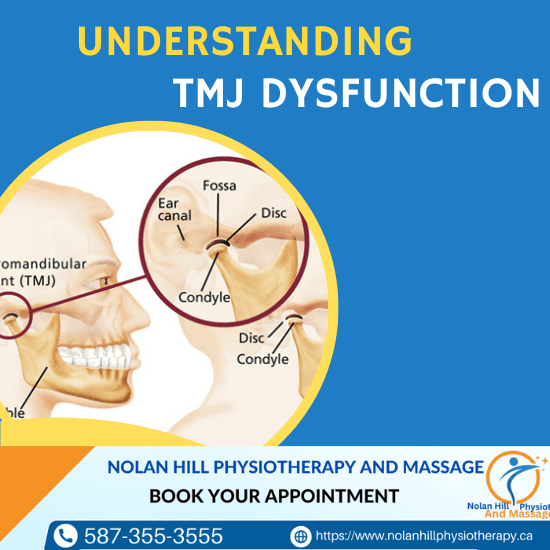
Understanding TMJ Dysfunction: Causes, Symptoms & Treatment
Jaw pain, clicking, and headaches often trace back to one small joint. Here's how TMJ dysfunction develops — and why it's far more treatable than most people think.
Santosh Singh
Registered Physiotherapist / Director