
Therapeutic Exercises: The Engine of Every Good Rehab Plan
Hands-on treatment feels great, but exercise is what makes recovery permanent. Here's how therapeutic exercise works and what a well-built program looks like.
Garima Singh
Registered Physiotherapist / Manager
Ask any physiotherapist what separates patients who recover fully from those who relapse, and you'll get the same answer: the exercise program. Manual therapy, needling, and modalities calm symptoms — therapeutic exercise rebuilds the capacity that prevents them from coming back.
What makes an exercise "therapeutic"?
It's not the exercise itself — it's the prescription. A squat can rehabilitate a knee or wreck it, depending on depth, load, tempo, and timing. Therapeutic exercise means each movement is chosen and dosed for a specific tissue, at a specific stage of healing, toward a specific goal.
A well-built program usually progresses through four broad layers:
- Activation and mobility — waking up inhibited muscles and restoring lost range without provoking the injury
- Controlled strengthening — loading the healing tissue progressively, because tissue adapts to load and nothing else
- Capacity building — more load, more range, more endurance, until your tissue can handle real-life demands with room to spare
- Function and resilience — movements that look like your life: stairs, lifting, running, sport-specific patterns
Why "just stretching" isn't enough
Stretching feels productive, and mobility matters — but most persistent musculoskeletal problems are strength and capacity problems, not flexibility problems. A hamstring that keeps "pulling," a back that flares every few months, a shoulder that aches with overhead work: these almost always need progressive loading, not more stretching.
The dosage details matter
The difference between an exercise that heals and one that flares you up is usually dose: sets, reps, resistance, tempo, and frequency. This is why we specify all of it, teach each movement hands-on, and adjust at every visit. "Three sets of ten, somewhat hard, every second day" beats a vague printout every time.
Consistency beats intensity
Ten focused minutes daily outperforms one heroic gym session a week. We design programs to fit real schedules — and our 7-day-a-week clinic hours make it easy to check in, progress your program, and stay accountable.
Want a program built for your body and goals? Call 587-355-3555 — Nolan Hill Physiotherapy & Massage, NW Calgary.
Dealing with pain or an injury?
Our multidisciplinary team is here 7 days a week in Nolan Hill, NW Calgary — with direct billing to most insurers.
Call 587-355-3555Related Articles
More recovery insights from the Nolan Hill team
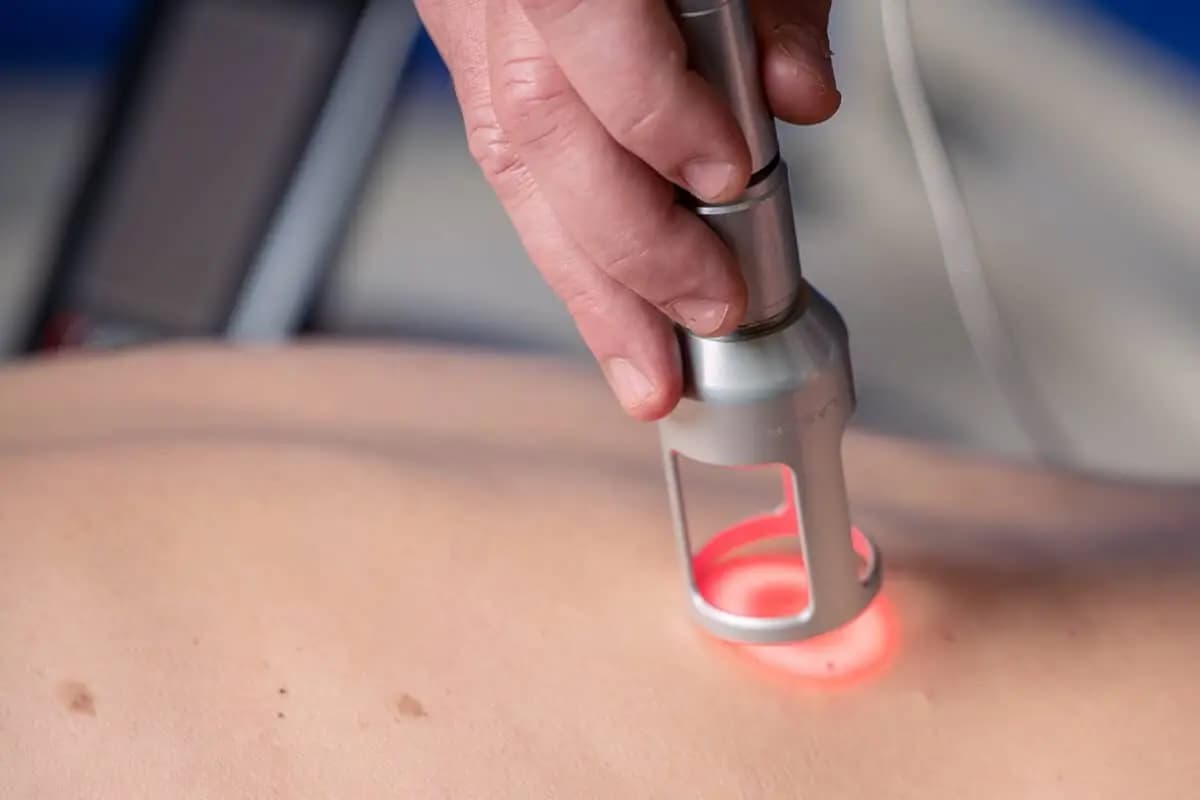
Cold Laser Therapy Explained: Relief for Active Lifestyles
It doesn't cut, burn, or buzz — so what does cold laser actually do? The science of photobiomodulation, in plain language.
Nolan Hill Physio Team
Registered Physiotherapists
Manual Therapy for Knee Pain: How Hands-On Care Helps
Knee pain rarely starts and ends at the knee. Here's how manual therapy and targeted rehab address the whole chain — hip, knee, and ankle — for lasting relief.
Romy Mathew
Registered Physiotherapist
Hands-On Treatment for Lower Back Pain: What Works
Low back pain is the world's leading cause of disability — and one of the most treatable. Here's how manual therapy and movement combine for real relief.
Garima Singh
Registered Physiotherapist / Manager