
The Science of Scar Tissue Mobilization
Scars aren't just skin-deep — they can tether layers, restrict movement, and stay sensitive for years. The science of making scar tissue move well again.
Garima Singh
Registered Physiotherapist / Manager
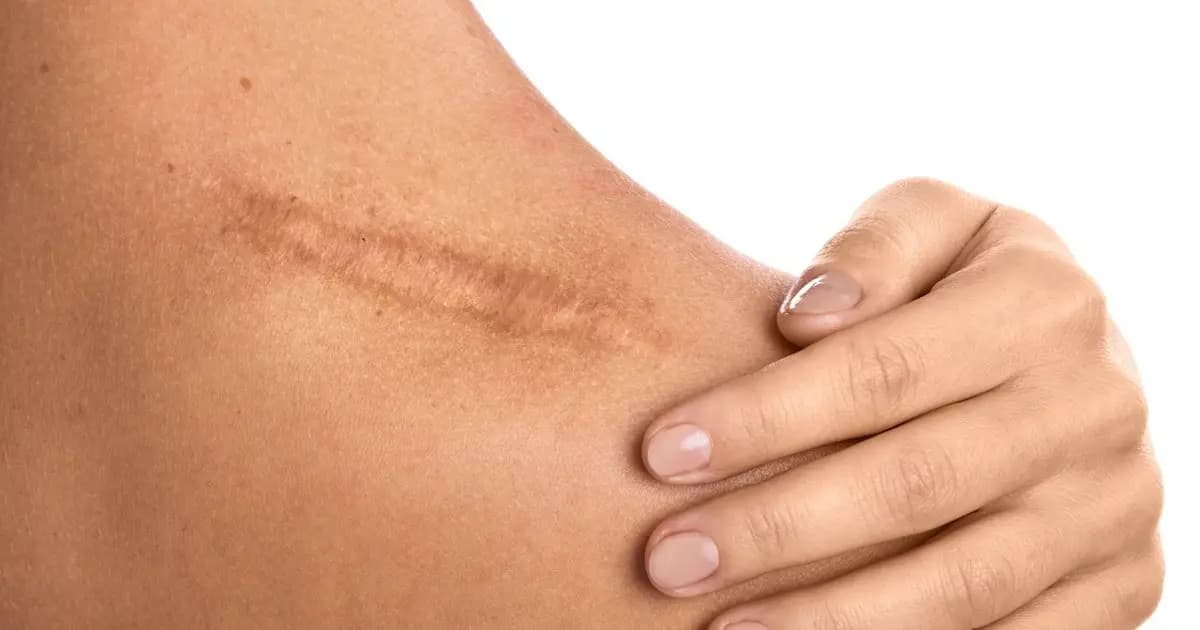
A healed incision can look perfect from the outside and still cause trouble underneath. Understanding why starts with how the body builds scars.
How scar tissue forms
When tissue is cut or torn, the body patches it with collagen — fast, strong, and messy. Unlike the orderly, aligned fibres of original tissue, early scar collagen is laid down in a disorganized weave that binds whatever it touches. In the skin and fascia, that can mean layers that previously glided over each other become stitched together: skin to fascia, fascia to muscle.
The body remodels this patch over months — up to a year or two — gradually realigning fibres along the lines of stress they experience. That last phrase is the entire premise of scar mobilization: collagen organizes according to the demands placed on it. No demand, no organization.
What restricted scars cause
- Local tightness — a pulling sensation when the area stretches
- Remote symptoms — a C-section scar that contributes to back discomfort, a knee scar that subtly changes squat mechanics
- Sensitivity — scars rich in new nerve endings can stay touchy, itchy, or oddly numb
- Movement compensation — the body quietly avoids whatever direction the scar resists
What mobilization actually does
Once the incision is fully closed and cleared, progressive manual work — sustained pressure, controlled shear in multiple directions, skin rolling, and stretch — applies exactly the mechanical signal remodeling collagen needs. Combined with movement that takes the region through full range, the scar learns to glide instead of grip. Desensitization techniques (graded textures and touch) settle oversensitive scars at the same time.
Timing matters: early work is gentle and around the scar; direct, firmer techniques come as healing matures. Old scars aren't a lost cause either — remodeling slows but never fully stops, and even years-old scars often improve meaningfully.
The home program
Daily self-massage — a few minutes of pressure and circular motion in all directions — does most of the work between sessions. We teach the technique, progression, and the signs you're doing too much.
Surgical scar, C-section, old injury — if it pulls, restricts, or just feels wrong, it's worth assessing. Call 587-355-3555 — Nolan Hill Physiotherapy & Massage, NW Calgary.
Dealing with pain or an injury?
Our multidisciplinary team is here 7 days a week in Nolan Hill, NW Calgary — with direct billing to most insurers.
Call 587-355-3555Related Articles
More recovery insights from the Nolan Hill team
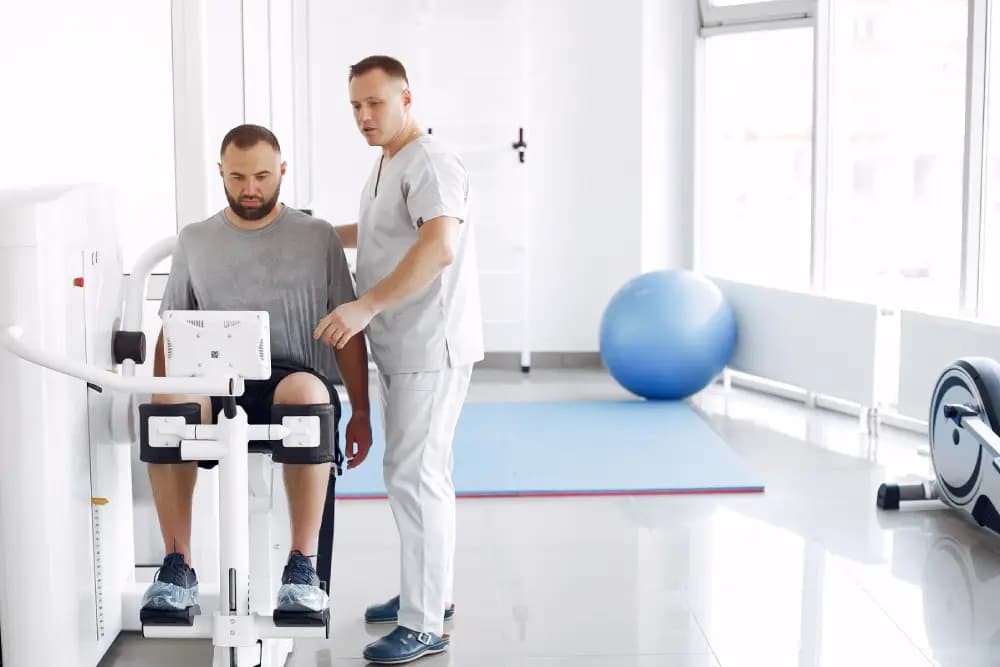
Post-Surgical Rehabilitation: What to Expect
From the first careful days to the final return-to-life testing — a realistic walkthrough of the post-surgical rehab journey, phase by phase.
Romy Mathew
Registered Physiotherapist

WCB Claims: How Physiotherapy Supports Your Case
Beyond treating your injury, your physiotherapy clinic plays a documented role in your WCB claim — objective reporting, capability tracking, and return-to-work planning.
Santosh Singh
Registered Physiotherapist / Director
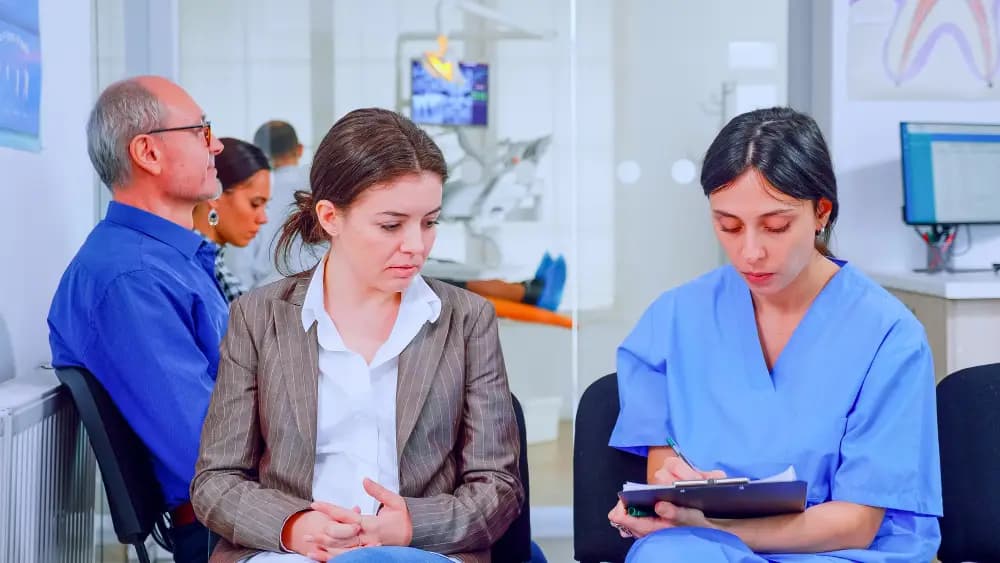
MVA Recovery Timeline: What Patients Should Know
How long does recovery after a car accident actually take? Honest timelines for whiplash, concussion, and back injuries — and what speeds them up.
Santosh Singh
Registered Physiotherapist / Director