
Managing Seasonal Aches and Pains in Calgary
Why does everything hurt more when the weather turns? The science behind seasonal aches — and a practical plan for staying comfortable through Calgary's swings.
Nolan Hill Physio Team
Registered Physiotherapists
Managing Seasonal Aches and Pains in Calgary
Calgarians know the pattern: the temperature plunges, a chinook rolls through, and suddenly knees, backs, and old injuries all start talking. Seasonal aches are real — and manageable, once you understand what's driving them.
Why weather changes how you feel
- Cold increases muscle guarding. Muscles hold more resting tension in the cold, which makes joints feel stiffer and old injury sites more noticeable.
- Pressure swings affect sensitive tissue. Rapid barometric changes — hello, chinooks — are associated with symptom flares in arthritic joints and headaches in susceptible people.
- Activity drops. The biggest factor is the quietest one: we simply move less from November to March, and deconditioned tissue complains sooner.
- Seasonal tasks spike. Shovelling, scraping, and walking tensely across ice load the body in ways summer never does — often suddenly, after weeks of low activity.
A practical seasonal game plan
Keep a movement floor. Decide on a non-negotiable daily minimum — a 20-minute walk, a 15-minute mobility routine, two strength sessions a week — and hold it regardless of weather. Consistency, not intensity, is what prevents the seasonal slide.
Warm up before winter chores. Two minutes of brisk movement before shovelling dramatically changes how your back and shoulders tolerate it. Treat the driveway like a workout, because it is one.
Dress joints warm. Layers over knees, hips, and low backs reduce the guarding response. It sounds simple; it works.
Use heat strategically. Warm showers, heating pads before activity, and warm-water exercise all reduce stiffness and make movement easier to start.
Don't let flares become layoffs. A flared joint wants modified movement, not none. Shrink the range, lighten the load, keep moving — and get assessed if a flare lingers past a week or two.
When to bring in help
If every winter writes the same story — a back that goes out by December, knees that ache until April — that's a capacity problem with a seasonal trigger, and it's fixable. A targeted strength and mobility program built in fall changes how the whole winter feels.
Our team is here 7 days a week, all season long. Call 587-355-3555 — Nolan Hill Physiotherapy & Massage, NW Calgary.
Dealing with pain or an injury?
Our multidisciplinary team is here 7 days a week in Nolan Hill, NW Calgary — with direct billing to most insurers.
Call 587-355-3555Related Articles
More recovery insights from the Nolan Hill team
Seasonal Pain Patterns: Why Symptoms Change
Seasonal Pain Patterns: Why Symptoms Change
If your aches and stiffness seem to flare with changing weather, activity levels, or routines, you are not imagining it. Seasonal shifts can affect joints, muscles, headaches, balance, and recovery.
Nolan Hill Physio Team
Registered Physiotherapists
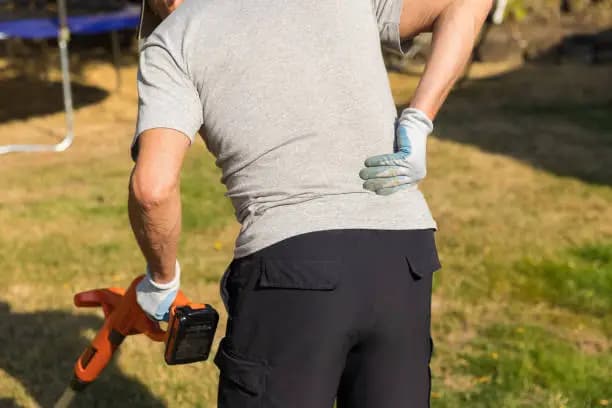
Tips for Safe Gardening & Yard Work
Gardening is exercise wearing a relaxing disguise. How to get through planting, weeding, and yard projects without your back filing a complaint.
Nolan Hill Physio Team
Registered Physiotherapists

Improve Your Posture at Home: Physiotherapist-Approved Tips
No standing desk required. A physiotherapist's home posture toolkit — five exercises and three habits that genuinely change how you carry yourself.
Garima Singh
Registered Physiotherapist / Manager