
Joint Pain Relief and Arthritis Management with Physiotherapy
Arthritis is common; suffering through it isn't mandatory. How physiotherapy reduces joint pain and keeps arthritic joints doing what you love.
Garima Singh
Registered Physiotherapist / Manager
Joint Pain Relief and Arthritis Management with Physiotherapy
By the time most people say the word "arthritis" out loud, they've already started shrinking their lives around it — shorter walks, avoided stairs, abandoned activities. The single most important message we give arthritic patients is this: appropriately loaded joints feel better, not worse.
What arthritis actually is
Osteoarthritis is a process of joint change — cartilage thinning, occasional swelling, bony adaptation — that becomes common with age. Crucially, the amount of change on an X-ray correlates poorly with the amount of pain. Plenty of rough-looking joints feel fine; plenty of mild ones hurt. That gap is where physiotherapy works: pain and function can improve dramatically even though the X-ray stays the same.
The evidence-based recipe
Every major guideline for hip and knee osteoarthritis puts the same three things first — ahead of injections and surgery:
- Exercise therapy — progressive strengthening of the muscles around the joint. Strong quads and glutes literally absorb load that would otherwise pass through an arthritic knee or hip.
- Education — understanding that movement is safe and protective changes behaviour, and behaviour changes outcomes.
- Weight management where relevant — each kilogram lost takes several kilograms of load off weight-bearing joints with every step.
Around that core, we layer symptom-relief tools that make exercise possible: manual therapy for stiffness, cold laser for sensitive flares, heat strategies, and activity modifications that trim the aggravating peaks without flattening your life.
A note on flares
Arthritic joints flare — after an unusually long day, a slip, or a weather swing. A flare is not damage and not a reason to stop. Shrink the dose (shorter walks, lighter loads), keep the joint moving gently, use heat or cold for comfort, and rebuild over days. We bake a personal flare plan into every arthritis program.
Thinking about a joint replacement?
Physiotherapy still matters on both sides of that decision: a committed strengthening block helps many patients delay or avoid surgery, and pre-hab measurably improves outcomes for those who proceed.
Don't let your joints write your schedule. Call 587-355-3555 — Nolan Hill Physiotherapy & Massage, open 7 days a week in NW Calgary with direct billing.
Dealing with pain or an injury?
Our multidisciplinary team is here 7 days a week in Nolan Hill, NW Calgary — with direct billing to most insurers.
Call 587-355-3555Related Articles
More recovery insights from the Nolan Hill team
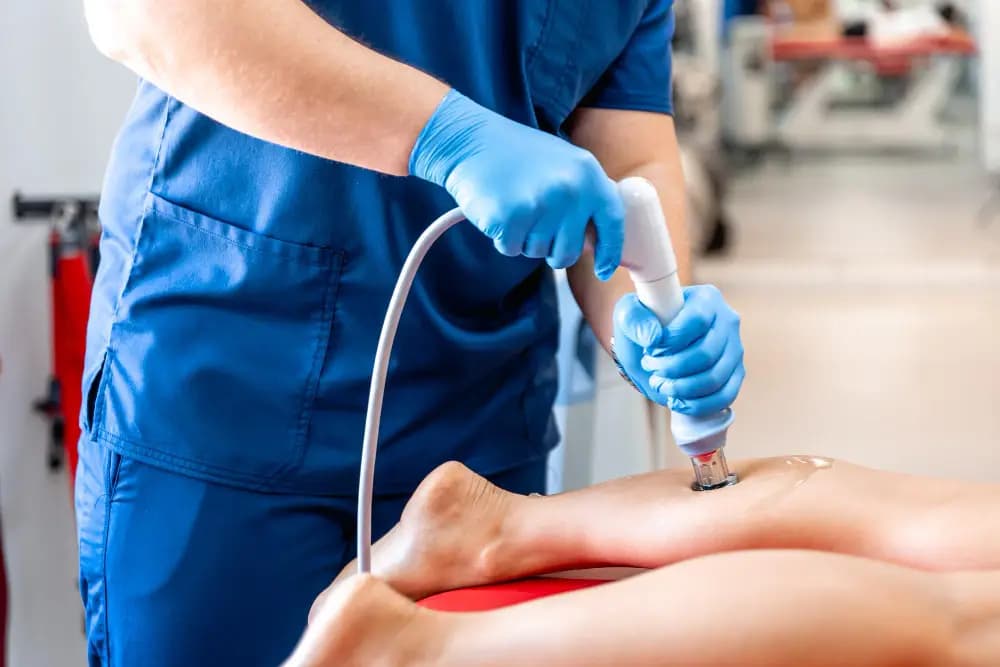
Laser Therapy for Arthritis: A Non-Invasive Option
For arthritic joints too sensitive for firm hands-on work, cold laser offers a painless way to calm inflammation and support exercise therapy.
Nolan Hill Physio Team
Registered Physiotherapists
Manual Therapy for Knee Pain: How Hands-On Care Helps
Knee pain rarely starts and ends at the knee. Here's how manual therapy and targeted rehab address the whole chain — hip, knee, and ankle — for lasting relief.
Romy Mathew
Registered Physiotherapist
Hands-On Care for Hip Pain: Finding the Real Source
Hip pain wears many disguises — groin pinch, outer-hip ache, deep buttock pain. Identifying the true source is the first step to fixing it.
Romy Mathew
Registered Physiotherapist